
Our Q1 2024 earnings report
View our results
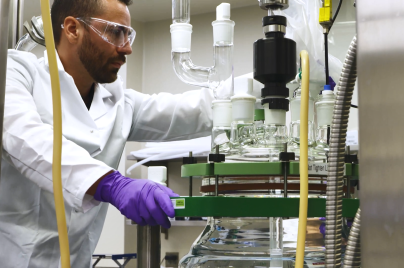
Research
The journey to invention and discovery is guided by science — and inspired by patients

Patients
We’re here to help you get the information you need to guide you on your health journey

Investors
Find our latest financials, events & presentations, news, stock information and investor contacts
Explore our stories




1

About us
For more than 130 years, we have brought hope to humanity through the development of important medicines and vaccines.
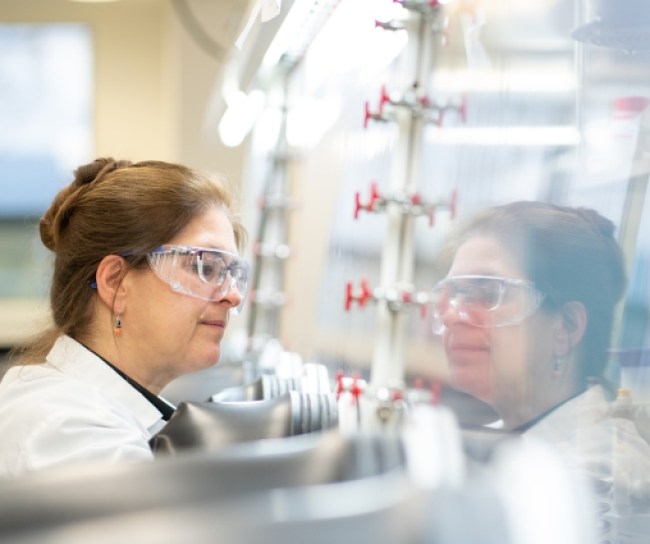
Our pipeline
We follow the science where we can make the greatest difference, now and in the future

Clinical trials
Clinical trials help find new treatments to help save and improve lives. Our progress is due in large part to the important and tough scientific questions we set out to answer with our trials and collaborations.